
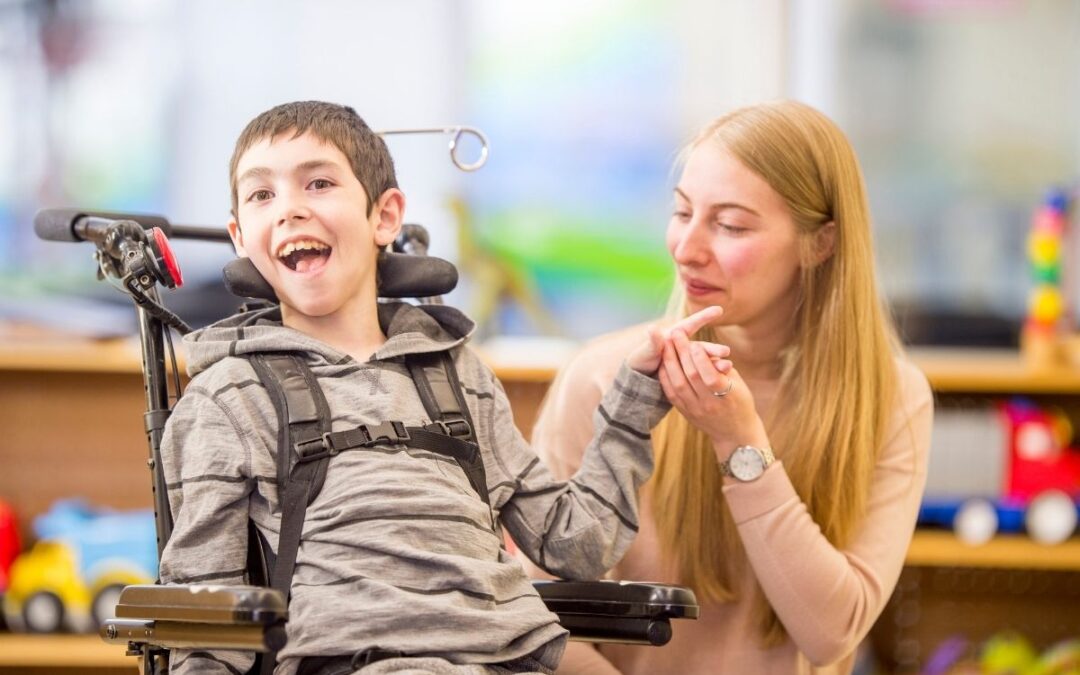
In classrooms across New England, inclusion is no longer a goal on the horizon. It is a daily commitment. For students with disabilities, the learning environment itself can either reduce barriers or unintentionally reinforce them. And while curriculum, technology, and staffing often dominate the conversation, education furniture plays a powerful, and often underestimated role in shaping access, comfort, and independence. At ABE, we believe furniture is not just what fills a room. It is what enables participation.
Beyond Compliance: Designing for Dignity and Belonging
When local education centers are seeking education furniture solutions, it is often selected with a checklist mindset. From ADA measurements, standard specifications, and minimum requirements. Those baselines matter, but inclusive design demands more. Students with disabilities are not a monolith. Some need movement to focus, whereas others need stability. Some require adaptive positioning, sensory considerations, or flexible layouts that allow them to engage without feeling singled out or limited.
Progressive education furniture solutions prioritize choice, flexibility, and dignity. Height-adjustable desks, supportive seating, mobile work surfaces, and thoughtfully designed classroom layouts help students participate alongside peers, not apart from them. In truly inclusive learning environments, accommodations do not feel like exceptions. They feel like options.
Furniture As a Tool for Learning Access
Well-designed education furniture quietly supports executive function, physical comfort, and sustained attention, all critical elements for students with physical, cognitive, or sensory disabilities.
For example:
- Adjustable seating and desks support diverse body types, mobility devices, and postural needs.
- Soft-edge, stable designs increase safety without restricting independence
- Modular furniture allows classrooms to be reconfigured for collaboration, therapy, or individualized instruction
- Sensory-conscious materials and layouts reduce overstimulation and fatigue
These are not aesthetic upgrades. They are access tools that shape how confidently students navigate their learning environment.
Inclusive Furniture Solutions Benefitting Every Learner
One of the most important truths in inclusive education is that when we design students with disabilities, the benefits extend to everyone. Flexible education furniture supports differentiated instruction, social-emotional learning, and student agency across the classroom. Teachers gain the ability to adapt to spaces in real time. Students gain autonomy over how they engage with content.
What begins as accommodation often becomes a standard because it works. This universal design mindset is reshaping learning spaces across New England, from early childhood centers to K-12 schools and higher education environments. At ABE, we recognize that selecting education furniture solutions for students with disabilities is not a transactional decision. It requires collaboration with educators, administrators, and facilities teams.
ABE partners directly with local New England schools and learning institutions to understand how spaces are used, not imagined in catalogs. We consider student population needs, instructional models, physical constraints, and long-term durability when recommending solutions. As a premier provider of education furniture across New England, ABE brings regional insight and on-the-ground experience that national vendors simply cannot replicate.
ABE’S Commitment to Inclusive Learning Spaces
ABE’s work in education has always grounded in one belief: every student deserves an environment designed with their success in mind. We collaborate with educators and institutions across New England to create learning spaces that support students with disabilities without labeling, isolating, or limiting them. Our approach blends thoughtful design, durable solutions, and a deep respect for the communities we serve.
Inclusion is not a trend; it is a responsibility. And it starts with the spaces we shape. To stay updated on the latest industry trends and news at ABE, follow us on LinkedIn, YouTube, and Facebook today.
Frequently Asked Questions
Q: How can schools evaluate whether their current furniture truly supports students with disabilities?
A: Beyond compliance, schools should assess how easily students can adjust, move, and use furniture independently, and whether the space allows for multiple learning styles without requiring constant modifications.
Q: What role does education furniture play in supporting evolving IEP and instructional needs?
A: Flexible, adaptable furniture allows classrooms to change alongside student needs, supporting updated IEP goals and instructional approaches without requiring full space redesigns each year.