
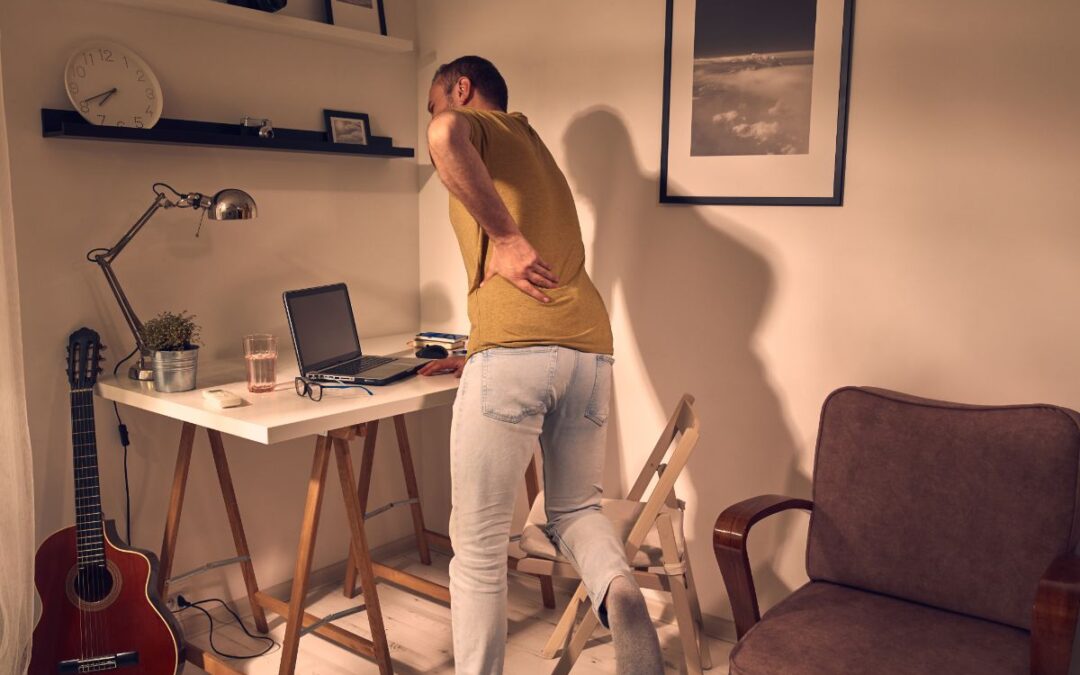
If you’ve experienced sciatica, you know how tough a normal workday can be. Pain that starts in your lower back and travels down your leg often gets worse the longer you sit, especially if your chair doesn’t give you enough support.
Using an ergonomic chair can help you feel better, improve your posture, and stay productive.
Why Sitting Worsens Sciatica Pain
When you sit, your lower back takes on more pressure, especially if your posture isn’t great. Over time, this can press on or irritate the sciatic nerve, leading to pain, numbness, or tingling. Sitting for long stretches without good support can flatten the natural curve in your lower back, putting extra strain on your spine and muscles.
Slouching or leaning forward can add extra strain to your lower back and pelvis, worsening your symptoms. Even the best chair can’t fix poor sitting habits, so it’s important to pay attention to both your chair and your posture.
How Ergonomic Chairs Help Relieve Sciatica
An ergonomic office chair is designed to support your body’s natural alignment. This helps take stress off your spine and makes sitting more comfortable. While no chair can cure sciatica, the right one can help you manage your symptoms.
1. Proper Lumbar Support
One of the most important features is adjustable lumbar support. It helps maintain the natural curve of your lower back, preventing excessive pressure on your discs and nerves. Chairs with this feature let you adjust the height and firmness, which matters since everyone’s body is different.
2. Reduced Pressure on the Sciatic Nerve
Ergonomic chairs distribute your weight evenly across your hips and thighs, which helps take pressure off the sciatic nerve. Rounded seat edges and padded cushions also help with blood flow and make sitting more comfortable.
3. Improved Posture and Spinal Alignment
Good posture is key to managing sciatica. Ergonomic chairs help you sit upright, keeping your head, neck, and spine aligned. This reduces pressure on your muscles and can help prevent long-term issues like herniated discs or chronic back pain.
4. Pelvic Stability
A well-designed chair helps keep your pelvis stable and prevents it from tilting backward, which is a common cause of sciatic nerve irritation. Keeping your pelvis in the right position supports your whole spine and reduces tension in nearby muscles.
Key Features to Look for in an Ergonomic Chair for Sciatica
Not all ergonomic chairs are the same. If you have sciatica, some features are especially important:
Adjustable Lumbar Support
Choose chairs that let you adjust both the height and depth of the lumbar support. Fixed support might not fit your spine correctly.
Seat Depth and Cushioning
If a seat is too deep, it can press behind your knees and make you more uncomfortable. Adjusting the seat depth helps support your thighs and maintain healthy circulation.
Adjustable Armrests
Armrests should support your arms without making your shoulders rise. When they’re in the right position, they alleviate the strain on your upper body and spine.
Recline and Tilt Mechanism
A chair with a dynamic recline lets you move a little while sitting, which helps reduce stiffness and keeps your back muscles active.
Breathable Materials
Chairs with mesh backs or good-quality foam let air flow better and keep you comfortable, especially if you sit for extended periods.
The Role of Movement and Habits
Even the best ergonomic chair won’t eliminate sciatica pain if you sit for too long without moving. Experts suggest standing, stretching, or walking every 30 minutes to take pressure off your spine and improve circulation.
Additionally, proper sitting technique matters:
- Keep your feet flat on the floor
- Sit fully back in the chair with your spine supported
- Avoid crossing your legs for extended periods
- Maintain a neutral head and neck position
Making these small changes can make your ergonomic chair work much better for you.
Long-Term Benefits of Using an Ergonomic Chair
Buying a good ergonomic chair does more than just help right away. Over time, it can:
- Reduce chronic lower back pain and discomfort
- Improve posture and spinal health
- Increase productivity and focus
- Lower the risk of long-term musculoskeletal issues
- Enhance overall workplace comfort
When your chair supports your alignment and reduces strain, it helps make your work environment healthier and more comfortable in the long run.
Is an Ergonomic Chair Worth It for Sciatica?
If you have sciatica, an ergonomic office chair isn’t just a luxury. It’s a smart investment in your health and productivity. While it can’t replace medical care or physical therapy, it can make you more comfortable each day and help keep your symptoms from getting worse.
The most important thing is to pick a chair with the right features and use it correctly. When you add good posture, regular movement, and a proper workstation setup, your ergonomic chair can be a significant help in managing sciatica pain.